May 21, 2026
BBC on Trump-Xi Meeting | Taiwan Stealing US Semiconductor Industry? | Rose Seed ROI
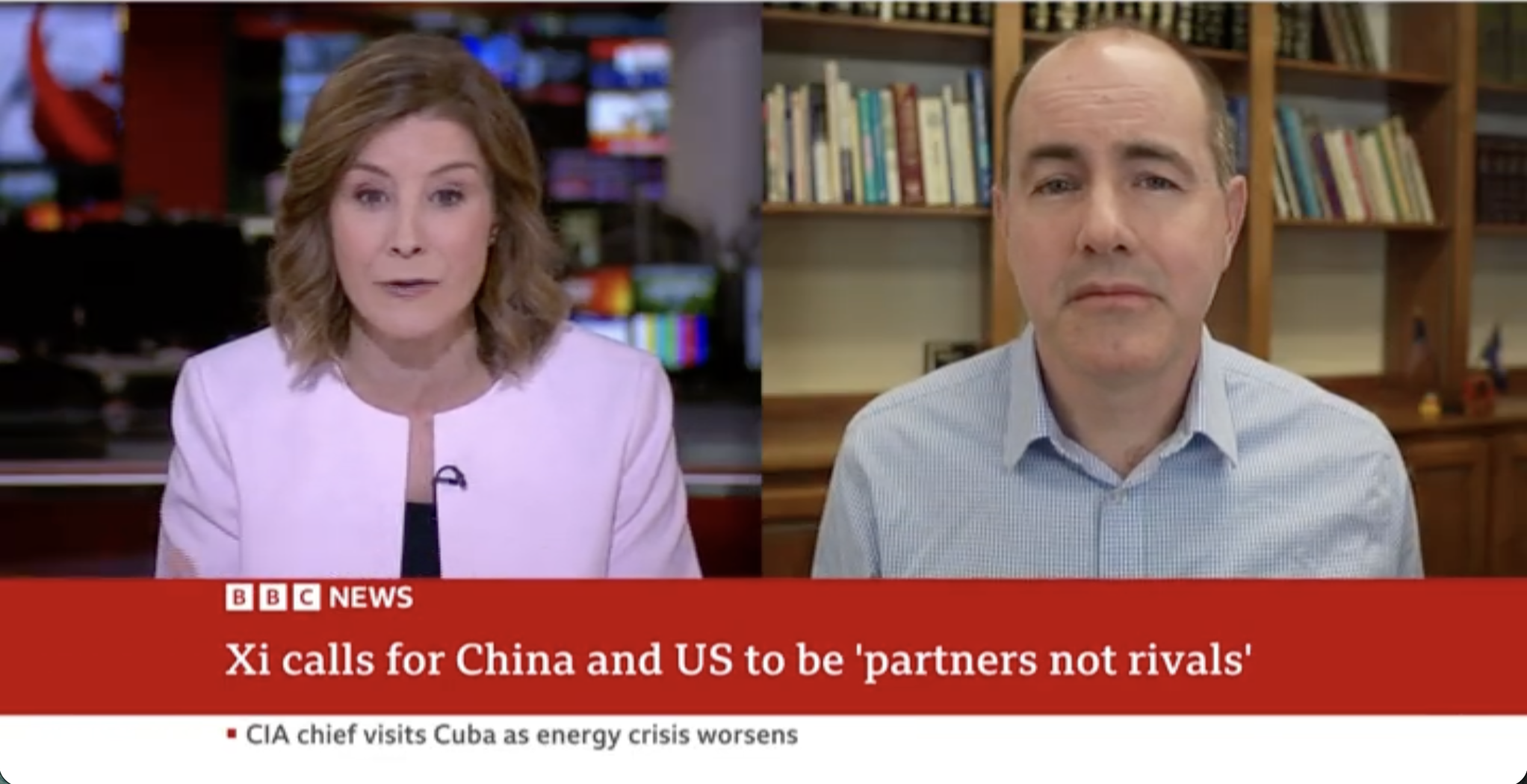
I was heading out of a rural motel to turkey hunt with my dad last Friday (technically, he sleeps, but it's hunting-adjacent sleep) when the BBC asked if I could speak about the Trump-Xi meeting in China.
My segment was easy – or perhaps hard – because nothing really happened at the meeting. It’s implicitly forbidden (almost) for China and the US to make actual progress at their summits.
But something Trump said the next day is worth discussing – in a moment.
Big-Egoed Bedfellows
If Xi’s and Trump’s respective constituencies would let them compete in a “biggest statue of yourself” contest, my prediction is that national spending on everything else would decline by double digits.
Beyond that, they have opposing motivations. Trump wants deals – to an excess. Xi wants to look like he’s part of the solution without actually being part of the solution.
Xi also wants Taiwan.
He wants Trump to cancel pending US arms sales there. He wants Trump to say something negative about Taiwan independence.
Perhaps because the pomp and circumstance wooed Trump, perhaps because Trump was charmed by Xi’s authoritarian-ness, or perhaps because Xi agreed to Trump’s request for some rose seeds from the Zhongnanhai Imperial Garden (to plant in the paved-over White House Rose Garden?), Trump leaned toward giving Xi what he wanted by the following day.

“They stole our chip industry.”
Speaking to Fox’s Bret Baier, Trump said this of Taiwan, before mentioning that the possibility of cancelling arms sales to Taiwan – unclear if this would violate the Taiwan Relations Act, which obligates the US to sell arms to Taiwan – is “a very good negotiating chip for us” in his eyes.
Taiwan’s sovereignty is for sale, in other words.
An Island of Real Men?
For some backstory, Taiwan didn’t really steal the chip industry from the US. If Taiwan stole it from anyone, it was Japan, which had previously stolen it from the US. And nothing was actually stolen, but in both cases, sovereign government support enabled new competitors to sell chips at below-market rates to gain share.
As is often the case, the US invented the technology. But by the 1980s, Japan owned a modest majority of the semiconductor market.
Currently, one of Japan's claims to semiconductor fame is a monosodium glutamate company: in the 1990s, food company Ajinomoto found that residue from its MSG production made an excellent coating or insulating film for semiconductors.
Now Japan dominates the semiconductor coating market with 88% share, and is strong in wafer supply, but is a bit player overall.
This is because of Morris Chang. Morris was born in China, grew up in Hong Kong, and then moved to the US and studied at Harvard, MIT, and Stanford before putting in 25 years at Texas Instruments.
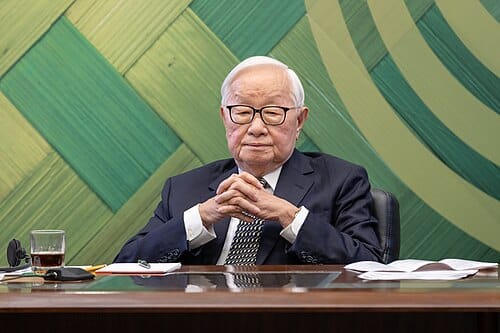
The Taiwanese government asked Morris to get them into chips, and Morris’ idea – partly because Taiwan was so piddly – was to form a Taiwanese company that just did one thing instead of many: TSMC focused exclusively on semiconductor fabrication. This seemed silly to the Japanese and Americans, who “knew” that proper semiconductor firms were vertically integrated – they designed, fabricated, and sold semiconductors.
“Real men have fabs” said AMD co-founder Jerry Sanders, famously, in a quote of resistance to the design-only model the US ended up embracing.
Fast-forward to today: Taiwan fabricates 92% of advanced semiconductor chips.
Sure, thanks to the CHIPS Act – ironically, sovereign support coming full circle – and dozens of billions of dollars in investment, Taiwan Semiconductor (TSMC) has been attempting fabrication in Arizona.
US-based production would be valuable for national security, but anyone who’s read articles about the Arizona facility knows that Americans struggle to manufacture semiconductors – even with expert guidance, multi-year exchange programs in Taiwan, and Taiwanese staff on site in Arizona.
Media reports say that the problem is cultural differences: TSMC bosses shipped to Arizona are learning that Americans don’t like being ordered around, don’t like being told to work overtime or work on weekends, etc. “Cultural differences” is a polite way of saying Americans are lazy and entitled by Taiwanese standards. (TSMC is currently building a small fab in Europe, where they'll presumably need luck as well.)
The US can – and should, and will – develop a modicum of chipmaking capability. But the fact that we can't even seem to get started is all the more reason to protect Taiwan, some might say.
Picture 92% of the world's high-end chip supply ending – as would happen in a deliberate factory self-detonation. Picture tech stocks crashing, picture using your iPhone 13 for the next seven years, picture military and medical facilities hamstrung. Picture a likely economic depression, if not a multi-country war.
It's very unlikely. But very bad if it were to happen.
I feel like I can conclude this article when we have more conclusive behavior from the US and China. We're far from that. China just blocked a planned visit from the Pentagon's top policy official, Elbridge Colby, until the US reneges on its arms deal to Taiwan.
The best ROI of the week may have come from rose seeds.