May 13, 2026
Berkshire Without Buffett
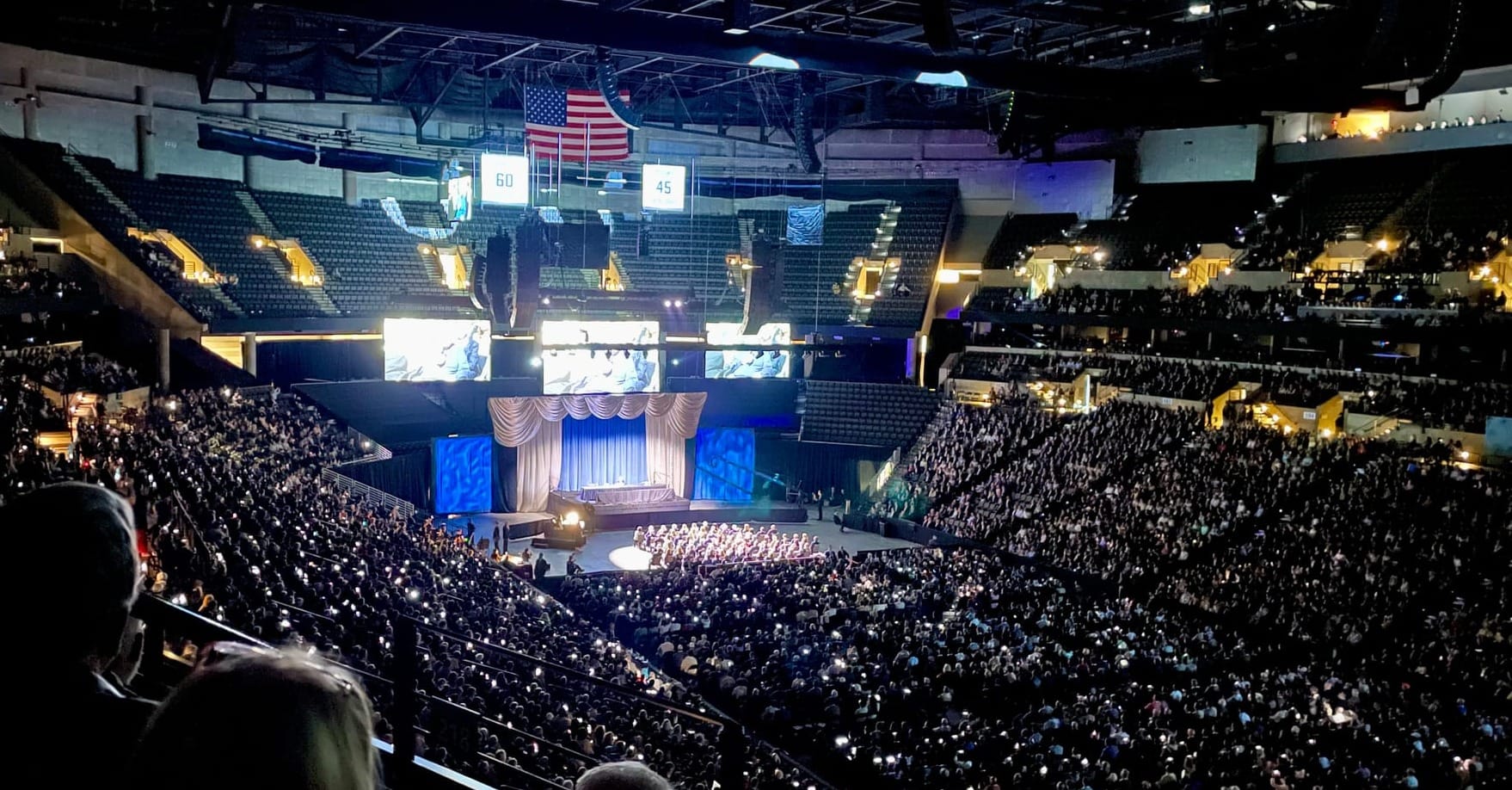
I’m more likely to sell Berkshire Hathaway stock after seeing my 9th Berkshire Hathaway Annual Meeting last week.
(Travelogue and photos of my trip following my commentary.)
I don’t plan to sell. I’m just more likely to.
Why? Berkshire is falling behind in technology.
Berkshire’s stock has underperformed the S&P 500 by 39 percentage points over the past year, thanks to a tech-averse culture and (sorry to say) aging management. Ironically, this comes after an investment in Apple added more value than any other to Berkshire.
Its cult-like following buoys the stock during volatility, but that’s priced in: It won’t get better, and stands to only get worse.
This is against the backdrop of Berkshire Hathaway rising nearly 4,000,000% since it became Buffett’s holding company in 1965. In fact, Buffett’s best returns were in the 1950s, so the all-in Buffett returns are surely much higher than 4,000,000%.
Warren Buffett is the world’s greatest investor in my book, even if Renaissance’s Jim Simons’ annual compounding was higher. Simons exploited artifacts and glitches of securitization and trading psychology, whereas Warren employed real fundamental analysis to find worthy businesses (especially after Charlie Munger opened his eyes to paying more for quality companies) – and inspired perhaps millions of investors to do the same. Plus Warren compounded for longer.
But a good investor isn’t a mindless fanboy. A good investor is skeptical. A good investor doesn’t drink the kool-aid.
In Omaha, though, you see a lot of kool-aid drinking. A lot. That's kind of the point, actually: Attendees don't come to scrutinize Berkshire as an investment – they come to pat each other on the back and savor the feelings of inclusion and belonging.
It’s clear that devotees want an investing deity to worship, and with Buffett passing the torch to Greg Abel, mental gymnastics are undertaken to rationalize Abel's greatness.
But nobody can fill Buffett’s and Munger’s shoes. You can’t replace the irreplaceable.
Abel is a tremendously nice-seeming guy who can talk EBITDA margins with the best of ‘em, but he’s not going to spout investing wisdom, and people aren’t going to ask him for marriage advice like they would Warren and Charlie.
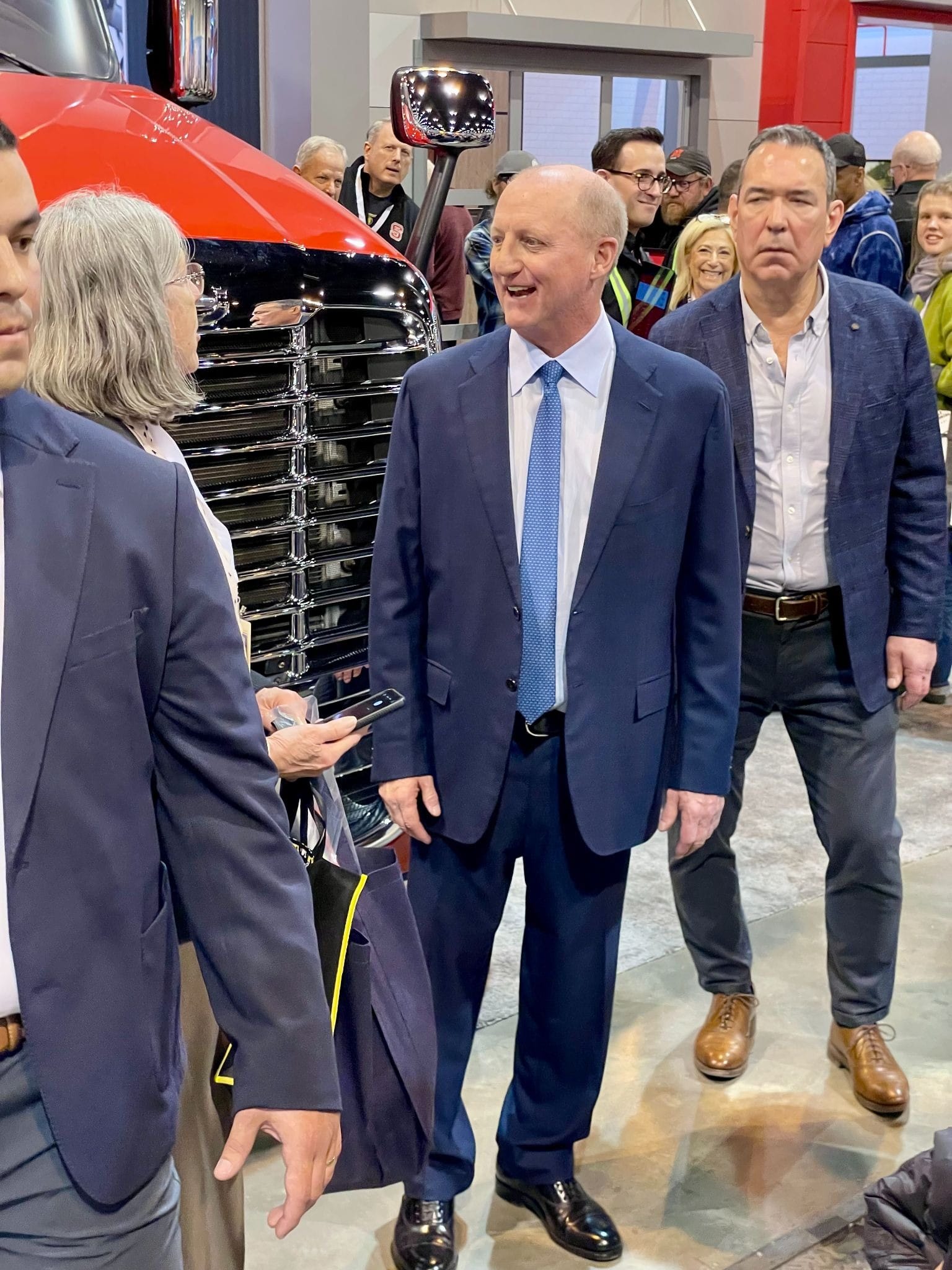
Still, being a big draw at a great annual meeting – Berkshire’s are the best by a mile – isn’t the same as running a company well. And if the meeting isn't as fun but the company does well, that would still be a win.
Berkshire is, very roughly speaking, a mix of:
A cash pile: $382 billion
Some public equity holdings: Roughly $350 billion
Some mostly wholly owned private equity holdings: $310 (not the literal value per se but at least what’s left after subtracting cash and public holdings from Berkshire’s market cap)
In Greg Abel’s defense, it’s Berkshire’s private businesses that have been lagging, and Greg is known for being a hands-on operator, whereas Buffett delegated “to the point of abdication” (his words).
Abel is likely good for Berkshire's worst-performing segment, but he’s not a career stockpicker.
My Berkshire Hathaway Trip Report
Bashing aside, Berkshire the event was wonderful (even if only, say, 30,000 people came to Omaha instead of the usual 40,000) – an investor reunion where you bump into friends old and new.
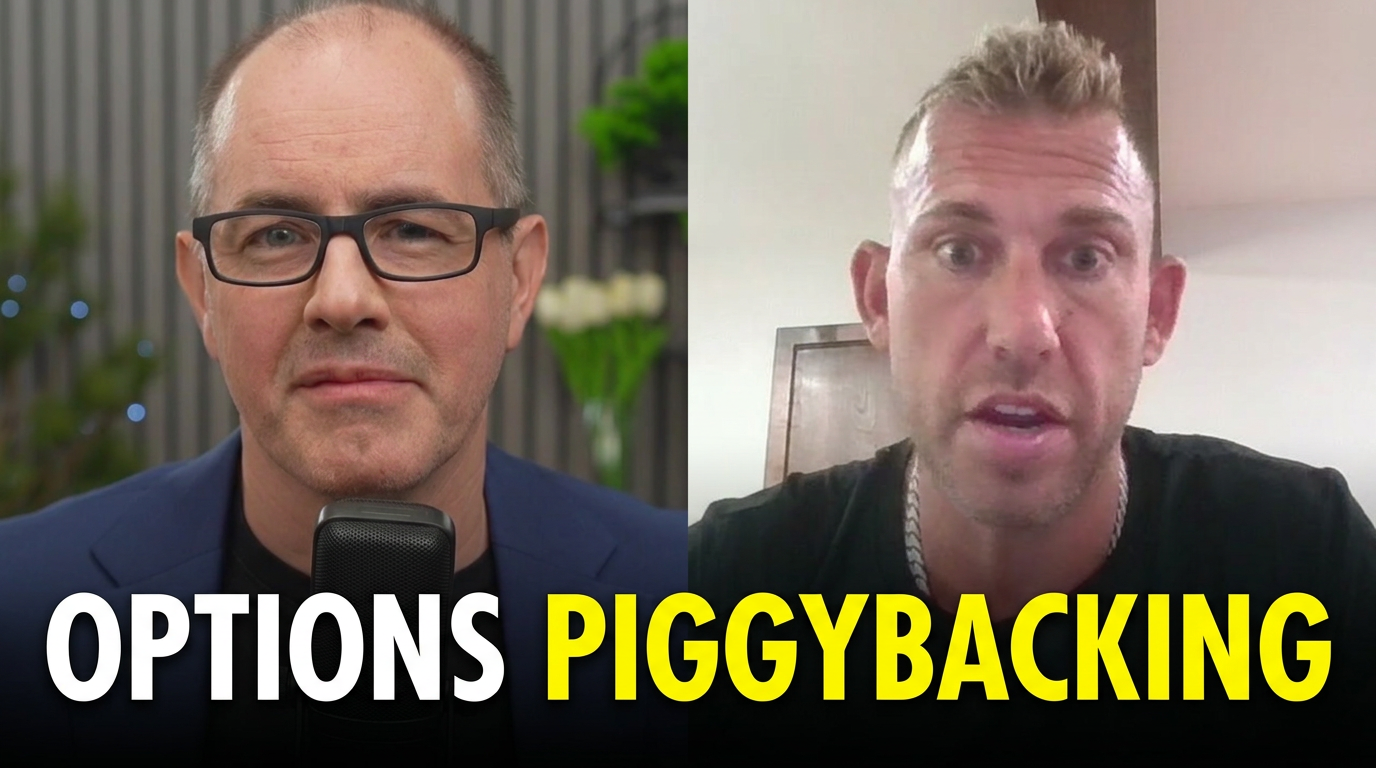
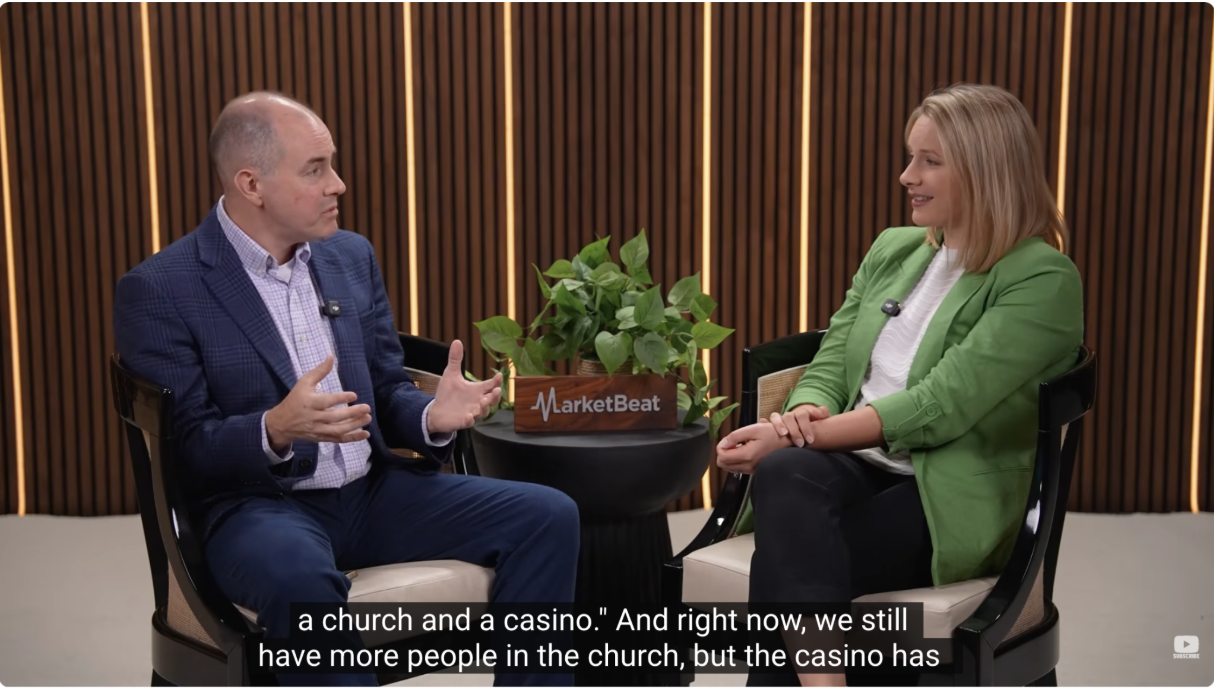
And right after the meeting, I drove two hours up to Sioux Falls, South Dakota, to hang out with my friends at MarketBeat (and shoot a 25-minute video with Bridget Bennett about the future of a Buffett-less Berkshire).
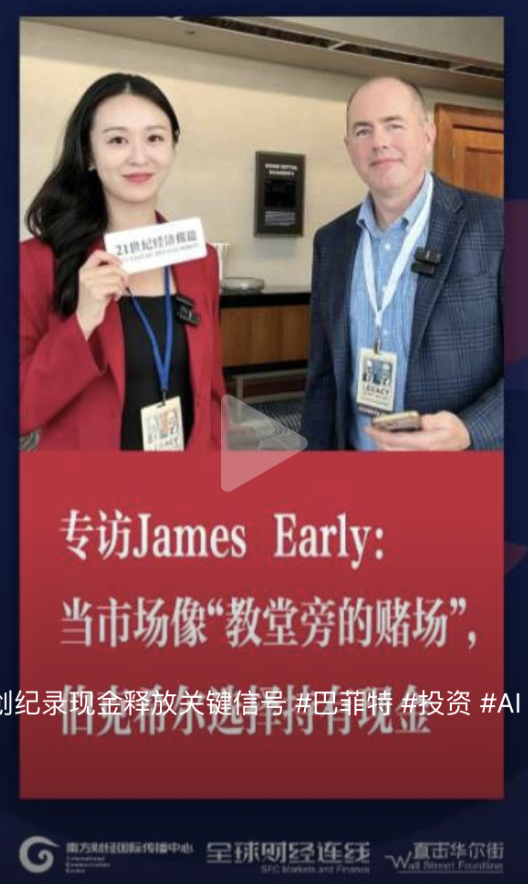
I don’t do much Chinese media anymore, but my friend Rui is a diligent journalist, and her editors don’t censor as much as some others, so I’m happy to chat with her. Unfortunately, our interview is only available for those with Chinese social media. I basically explained that while Berkshire did better for the first quarter of 2026 operationally, it’s a company that’s behind the times technologically, and its aging management and tech-averse culture give it a hole to climb out of, fun as the annual meeting is and storied as Buffett’s long-term performance and market wisdom are.
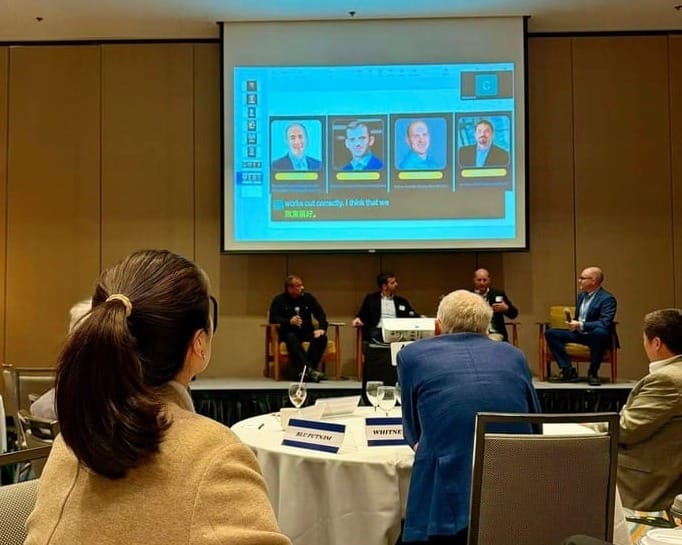
I don’t have a more professional photo yet, but I also hosted a panel at my friend Catherine Duan’s conference for 100-or-so investors (with a wonderful dinner – and, though it’s irrelevant to me as a teetotaler, ample free wine from Stag’s Leap vineyard).
All my guests (Enrique Abeyta of Paradigm Press, Pieter Slegers of Compounding Quality, and Brian Feroldi of Long-Term Mindset) are friends of mine, and all were more optimistic than I am about Berkshire. Fellow friend Whitney Tilson, a world-leading Berkshire and Buffett expert, spoke before my panel (and you can see him watching below).
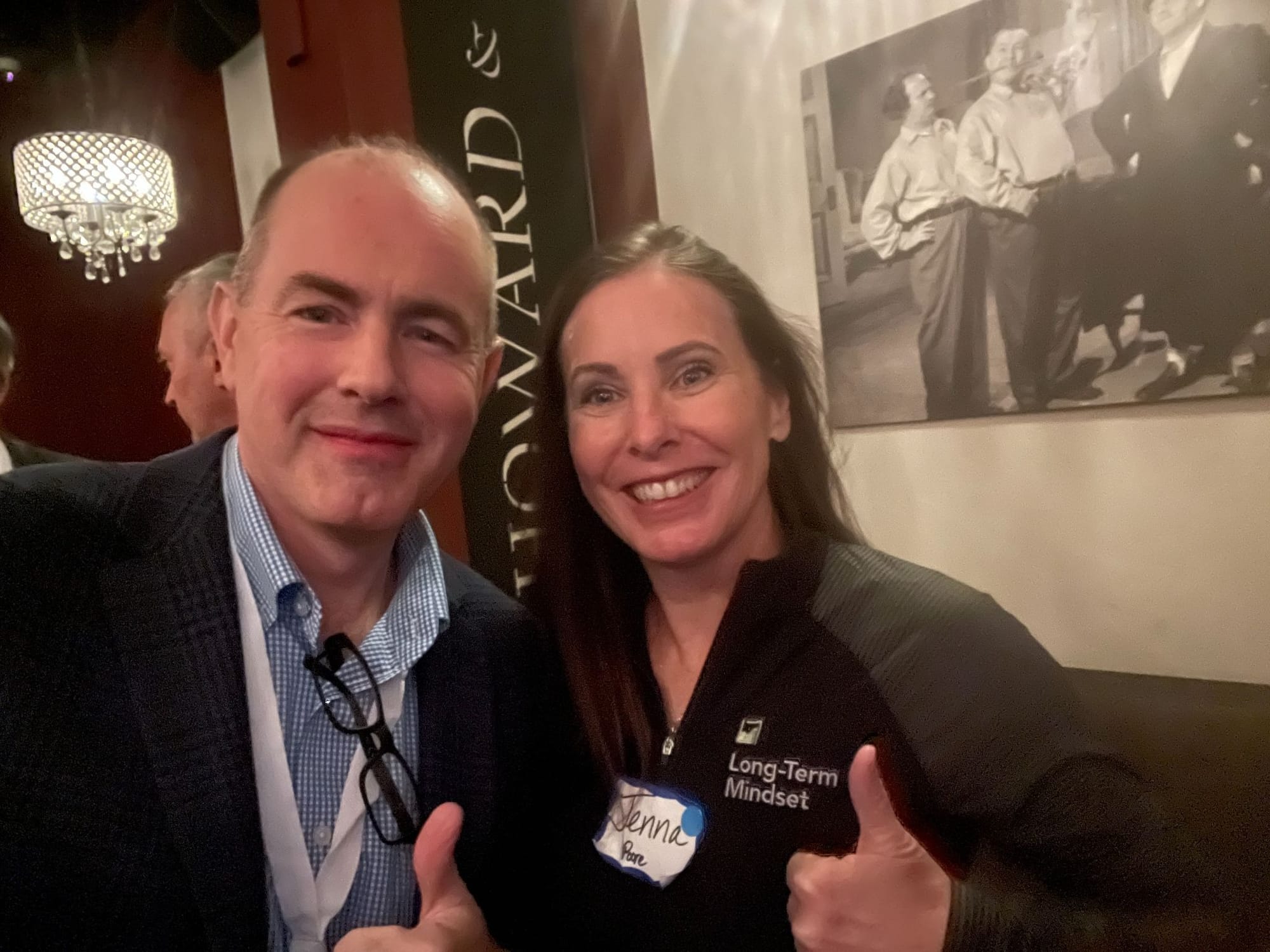
After Catherine’s conference, I popped in to an exclusive subscriber gathering for Brian and Pieter in a secret room in a nearby bar. Both Pieter and Brian have some passionate fans – a financial advisor named Jenna even wears Brian’s merchandise! (Jenna had an amazing story; one perk of working amongst legitimate players in the investing space is stories of people whose lives were transformed by better investing.)
And, finally, my friend Vitaliy Katsenelson – a self-described “paranoid Russian Jew” and one of the best human beings I know – kindly sponsored a morning-after breakfast for 1,000-or-so folks (Markel Group, a Virginia-based “Baby Berkshire” aspirant, traditionally sponsored the Sunday morning breakfast at the Marriott, but didn’t this year, perhaps miffed that Berkshire sold its Markel position.)
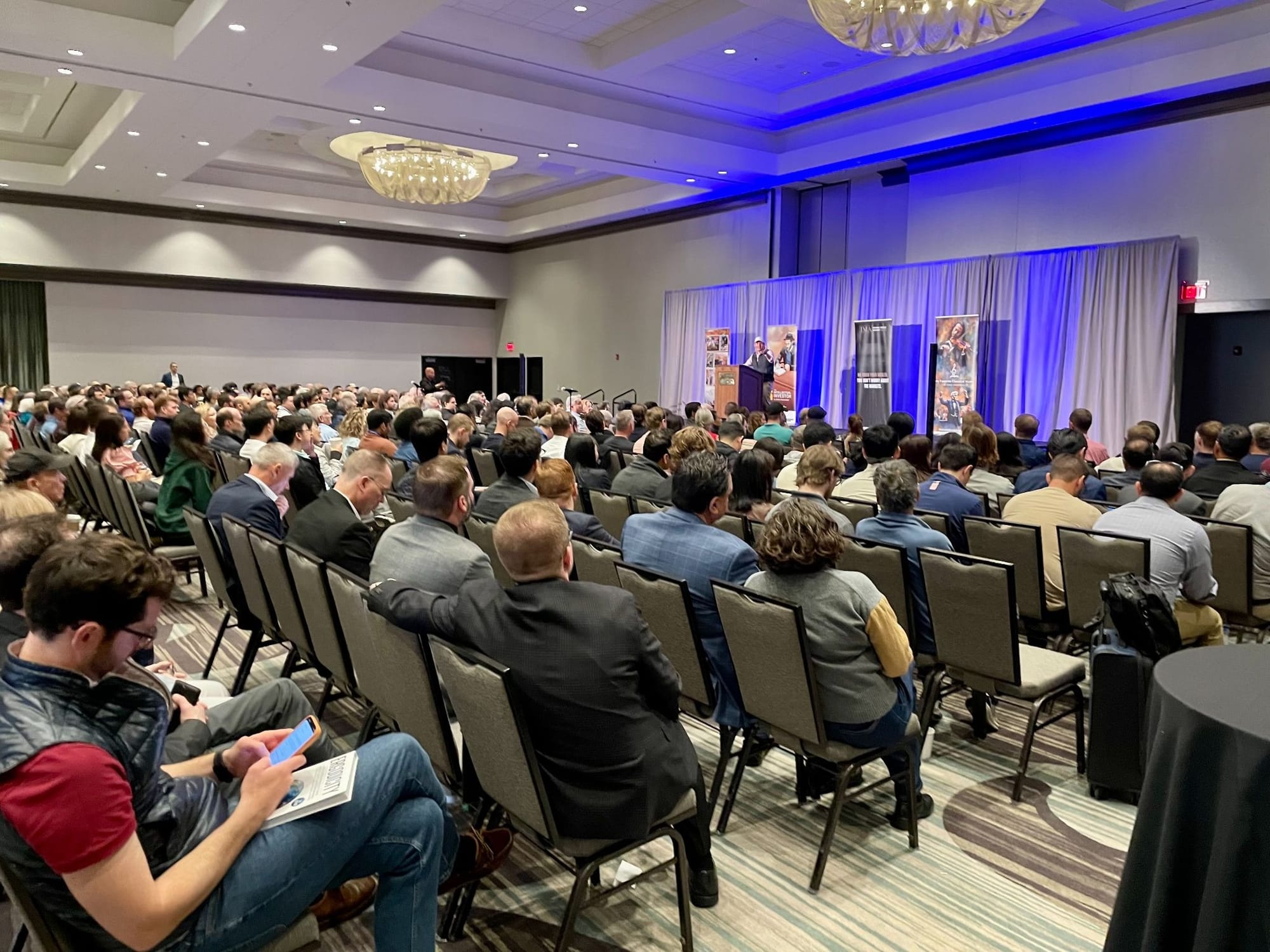
I bumped into a ton of folks at Vitaliy’s breakfast, but the most memorable one was a lady who said she could make me “a trillionaire” and requested to connect on Chinese social media. I got weird vibes but reluctantly agreed; I was busy chatting with people and let her handle the QR code scanning – but looked over to find that she was going through my photo reel and sending photos to herself. I’m not sure why.
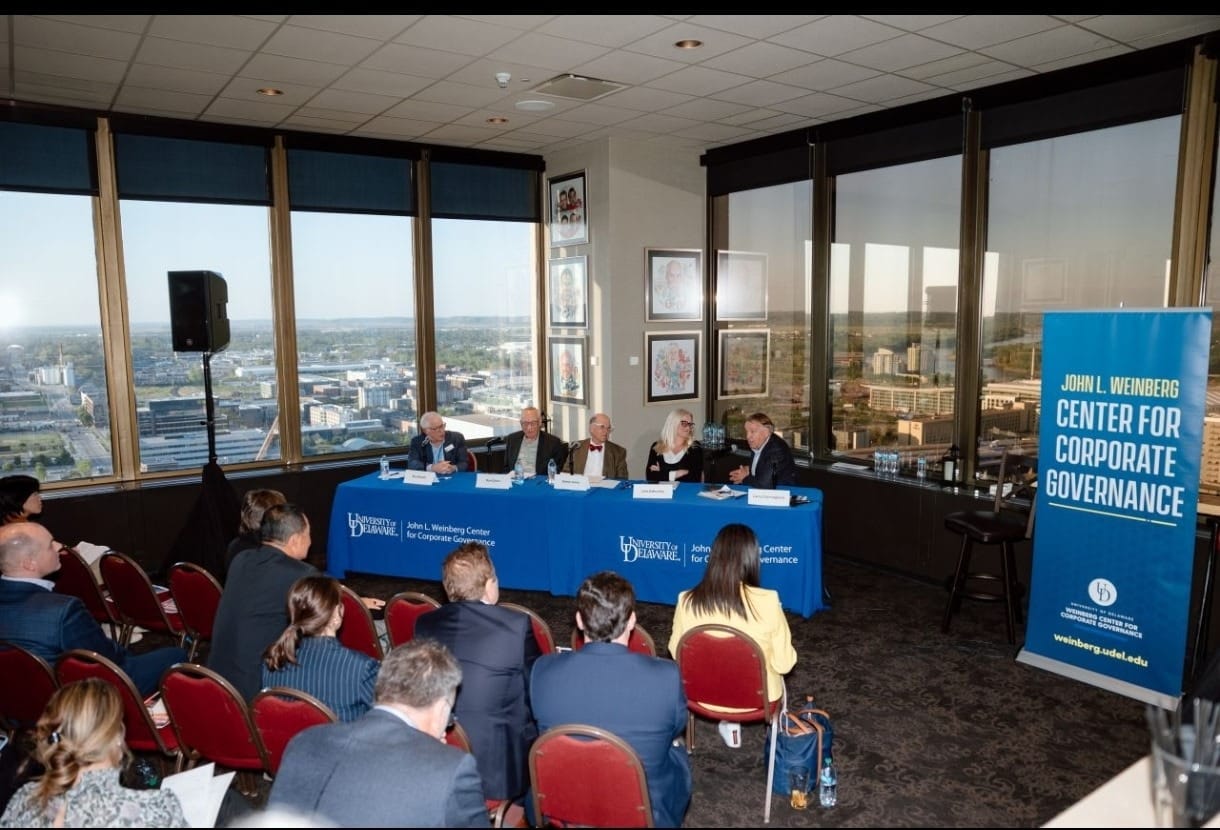
The Friday before the Berkshire meeting, my friend Larry Cunningham (author/curator of The Essays of Warren Buffett, as well as a law & corporate governance professor) kindly invited me to a collaborative event at the beautiful Omaha Press Club – Larry’s John L. Weinberg Center for Corporate Governance at the University of Delaware and Fordham University’s Gabelli Center for Security Analysis put the event together, with Larry’s wife Stephanie Cuba doing yeoman’s work according to all counts.
Two leaders of companies I follow & own (and which Larry is on the board of)– Tom Gayner of Markel Group and Mark Miller of Constellation Software – were on panels, as was Ron Olson of Charlie Munger’s former law firm, Munger, Tolles, and Olson. (You can see yours truly in the far left of the photo.)
And no visit to Berkshire would be complete without a stop in the exhibit hall, where I picked up some Squishmallows – which typically sell for $15-20 initially, then wind up at $300-500 on eBay a week or two after the event.
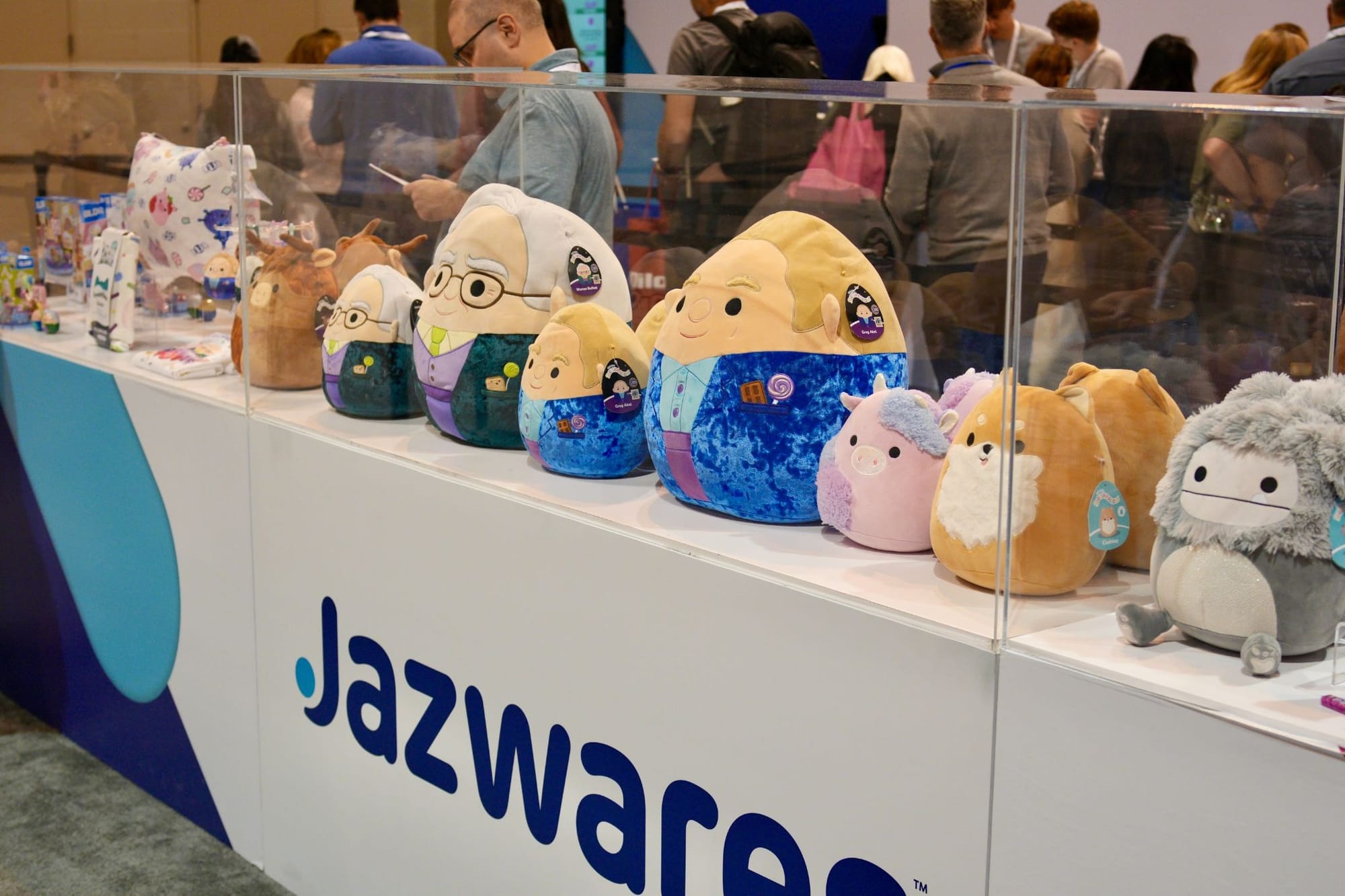
Sadly, the Greg Abel Squishmallow is accidentally emblematic: Not only does it look nothing like him (Warren’s and Charlie’s are immediately recognizable), but he’s just not a Squishmallow-worthy character. But if he can turn around Berkshire's sagging operating businesses – BHE Energy, Dairy Queen, Precision Castparts, BNSF, and others – that'll be easy to forgive.