Jul 20, 2026
3 Small Cap Stocks
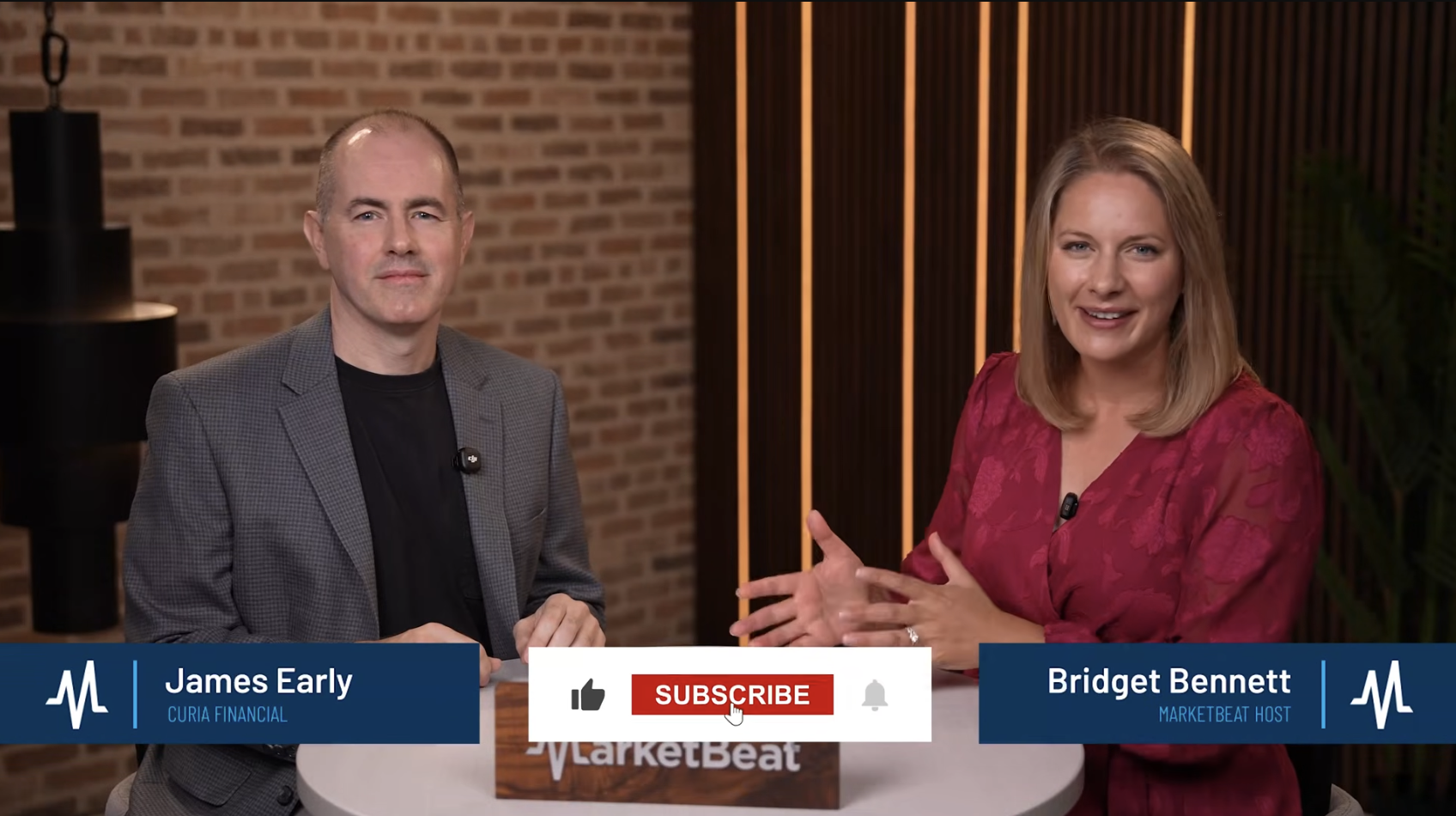
I’m back from South Dakota, where I first attended an industry conference put on by MarketBeat and John Newtson, and then took my dad to the Black Hills. But while I was at MarketBeat, Bridget Bennett, their video host and a kind soul, asked if I could talk about three small-cap stocks under $10.
Based on my investing background – coming from the hedge fund world and later leading a research department – I’m supposed to say “no” to such a request. I’m supposed to explain that stock price is arbitrary, even for the tiniest of investors, now that brokers offer fractional shares.
Yes, yes, but why not explain this on the video and look for three profitable small caps under $10? (Click the image to watch.)
I gave it a spin (my mic level is low, so you may need to turn up the volume).
My three stocks are not recommendations. Take them as starting points for further research. Especially with small caps, further research is a good idea. MarketBeat did a great job adding visuals to the video, but if you’d like the details from me, here they are:
- Aveanna Health (AVAH): Ever met a Baby Boomer who’s getting younger? Aveanna Health, with a $2 billion market cap, brings in $2.1 billion a year in revenue by providing at-home health care to “complicated” cases. The injustice of health care is that if you’re the patient, “complicated” is bad, but if you’re the billing provider, “complicated” is good. Aveanna gets 91% of its revenue from Medicaid or Medicare. With fewer gadgets, home health care is actually a lot cheaper than hospital health care, so Aveanna is a relative good guy in our semi-cesspool of healthcare middlemen. Revenue is growing at 16% per year, and management raised its own 2026 guidance twice already. This company could get bought by a bigger insurer or competitor – or even private equity.
- Genworth Financial (GNW): PMI (private mortgage insurance) company Genworth is a $3.5 billion market cap tale of redemption; of successful makeover. The company was largely a long-term care insurance company in the 1990s and early 2000s, and it clumsily wrote a lot of massively underpriced policies. Ah, but it had a little PMI company that it later renamed and IPO’d (editors hate this verb, but language evolves) called Enact (ACT). Relative to the horrible long-term care policies that are still costing Genworth $300 million to $400 million per year, Enact’s PMI haul – which Genworth still owns 81.6% of – has 55% profit margins. Pays to be diversified, eh? The long-term case losses will eventually wash out, and PMI is an oligopoly in the US, so look for the good times to continue.
- eGain (EGAN): If a cockroach could become a company, it would become eGain. This is a microcap, fellas, so at least triple that “further research” you’re going to do anyway (right?). eGain began in 1997 when Stanford MBA Ashutosh Roy, who had built a call center in India, created a customer service and relationship software company. It IPO’d in 1999 – and spiked, like pretty much all 1999 IPOs did. Then it crashed by 99.97%. The movie was supposed to end there, but cockroach-y little eGain (it only has a $175 million market cap) did a 20:1 reverse stock split to stay listed on Nasdaq, and kept plugging away. It toiled in obscurity for decades, bringing in $80 million to $90 million per year through real clients like the IRS, LL Bean, and JP Morgan, and staying profitable. These days, it’s repackaging itself as an AI company, which sounds gimmicky until you consider that customer service is a manpower-intensive corporate function, and AI actually can help here. The stock is bouncing to and fro as the market tries to decide if eGain is an AI Pretender or an AI For Real. But you know what? It had a legit business long before AI came around, so I like that it has that to fall back on. It’s a good little cockroach, but be careful with companies this tiny.