Oct 3, 2025
What if Trump Takes Over the Federal Reserve?
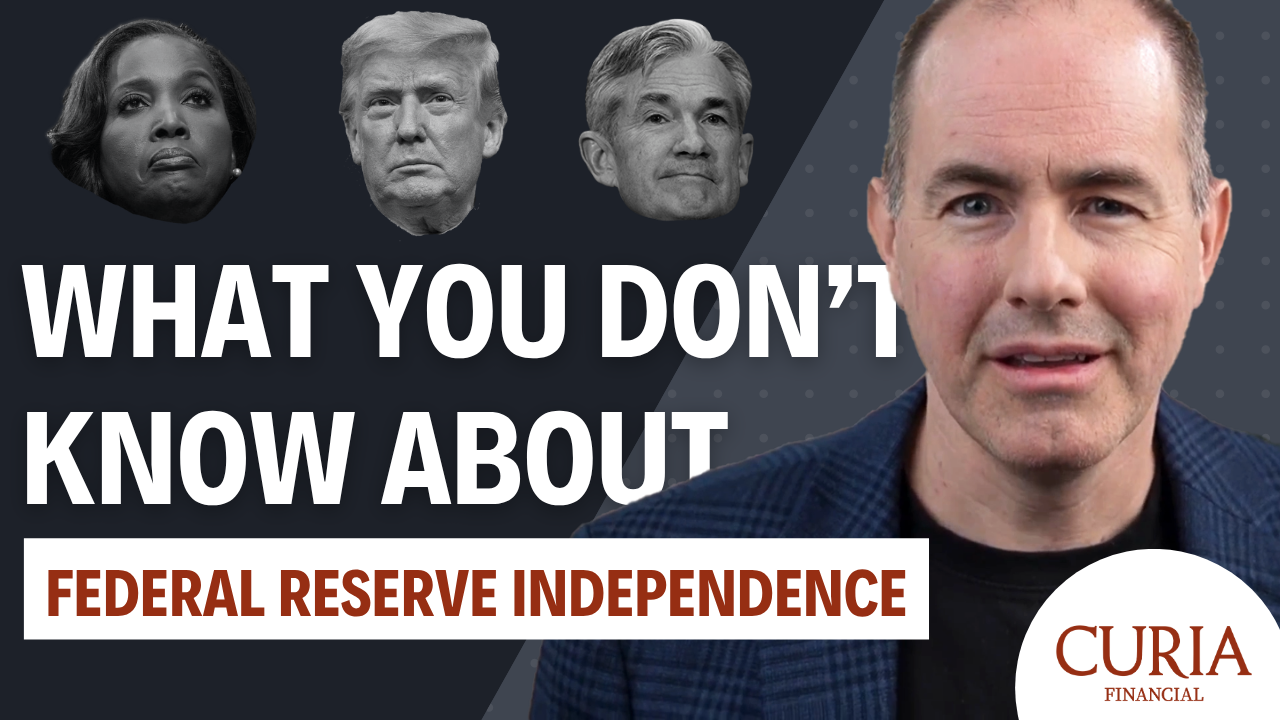
An independent central bank is seen by virtually all economists (except former Trump appointee Larry Kudlow) as a good thing for an economy.
[Be sure to scroll down to the video.]
Freed from the short-term pressures that define politics, the idea goes, central bank leaders can make difficult decisions that are in their economy’s long-term best interest – mainly, taking necessary pain now to set up a better future.
Of course, (virtually) no political leader wants to take the pain now that sets up a recovery for the next guy to enjoy.
Donald Trump, displeased with the Federal Reserve’s reluctance to lower interest rates, has been badmouthing “moron” (Trump’s words) Fed Chair Jerome Powell, and seeking ways to fire him, at least off and on. The Supreme Court has so far restrained Trump's efforts to fire Fed governor Lisa Cook.
It’s all very dramatic.
But the drama is hardly new. As we explore in the video below, tension between political leaders and central banks – at times leading to compromised central bank independence – is about as old as central banks.
From the US to Zimbabwe to Argentina to Turkey, central bank independence has been compromised – and the results have been troublesome.
But what’s also true is that central banks can be too detached from an economy – the Japanese, American, and European central banks have all allowed more suffering than necessary by failing to react to economic woes falling outside their strict mandates.
On a personal(-ish) level, the Curia team put a fair bit more work into editing this video, so we’d be delighted to hear any feedback – whether positive, negative, or ambivalent.
James